
 HDJurassic Park1993★ 8.0
FlixHQ
172 family, adventure and fantasy films, each with its cast, its director and a Watch now button.
Top rated
View all (32) HD
HD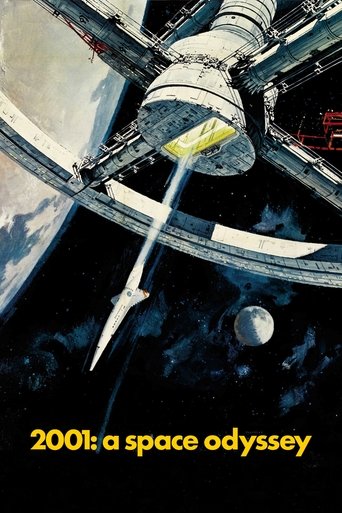 HD
HD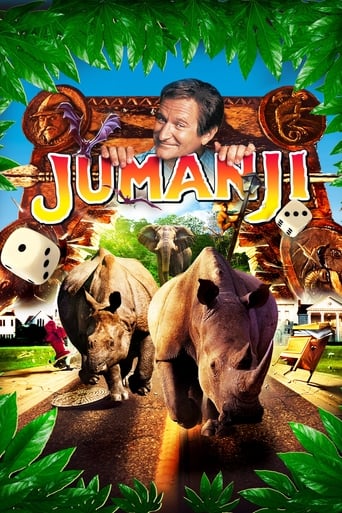 HD
HD HD
HD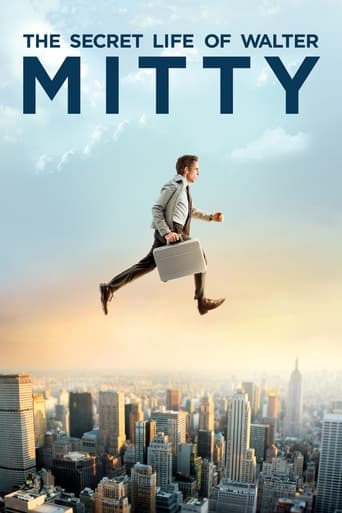 HD
HD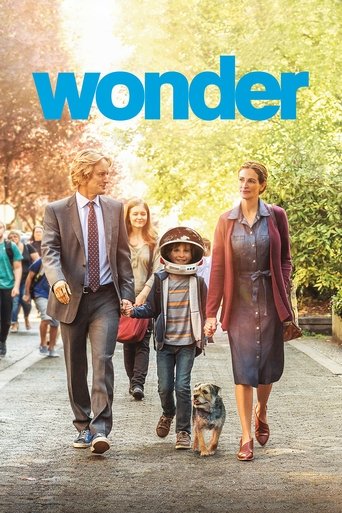 HD
HDAdventure
View all (82)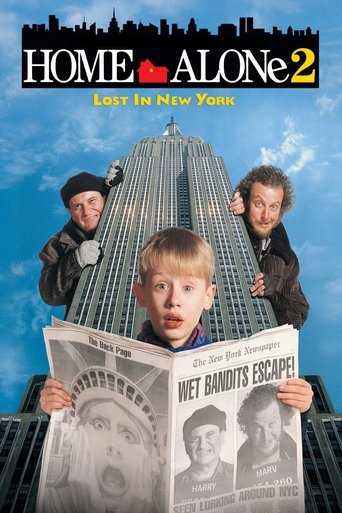 HDHome Alone 2: Lost in New York1992★ 6.8
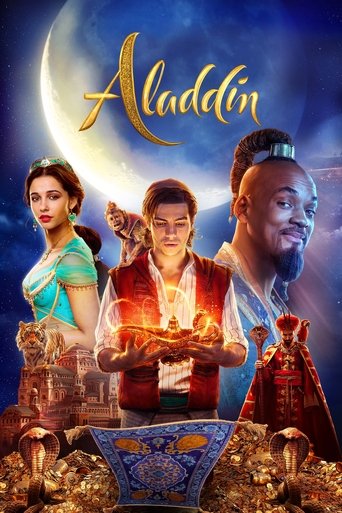 HDAladdin2019★ 7.1
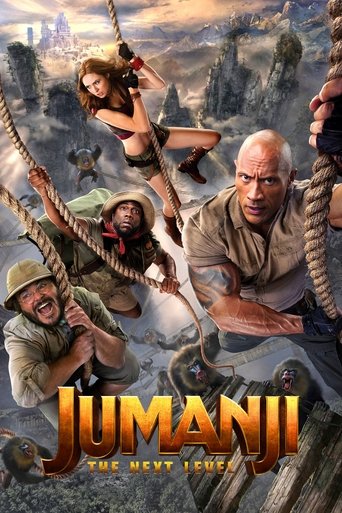 HDJumanji: The Next Level2019★ 6.9
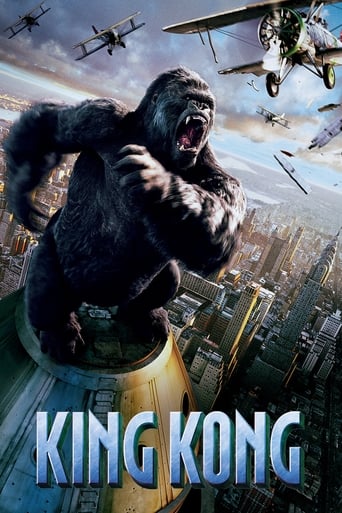 HDKing Kong2005★ 6.9
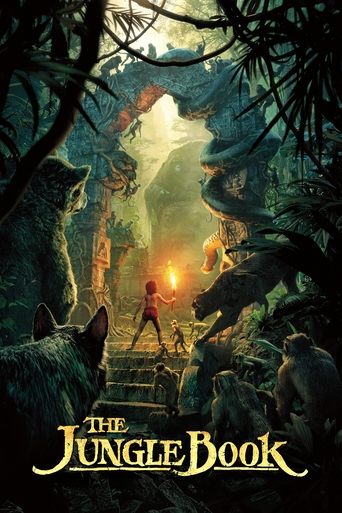 HDThe Jungle Book2016★ 6.9
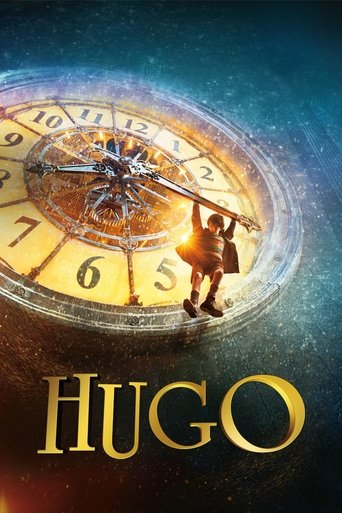 HDHugo2011★ 7.2
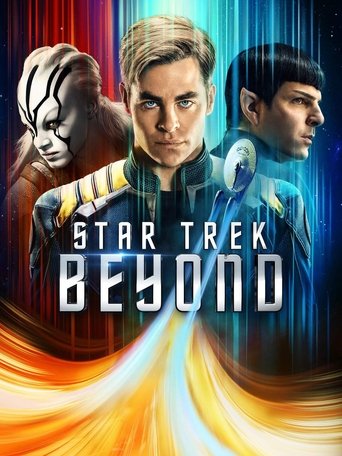 HDStar Trek Beyond2016★ 6.8
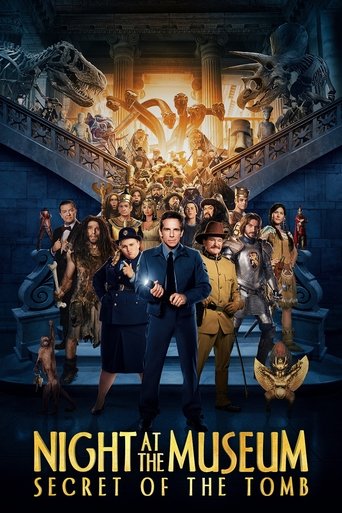 HDNight at the Museum: Secret of the Tomb2014★ 6.2
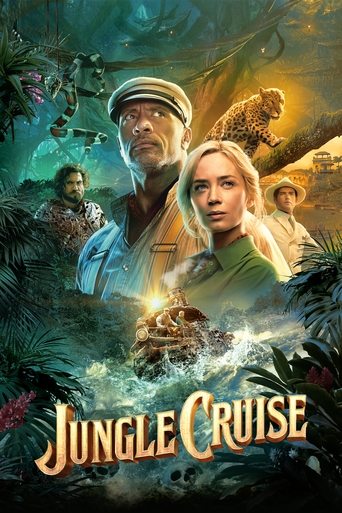 HDJungle Cruise2021★ 7.3
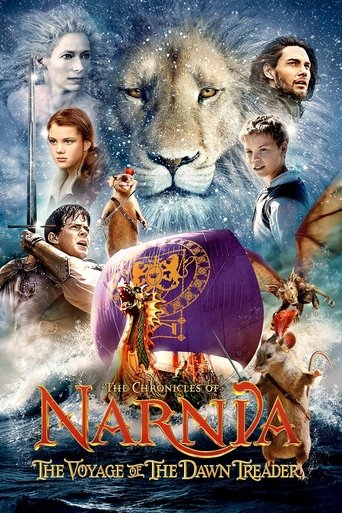 HDThe Chronicles of Narnia: The Voyage of the Dawn Treader2010★ 6.4
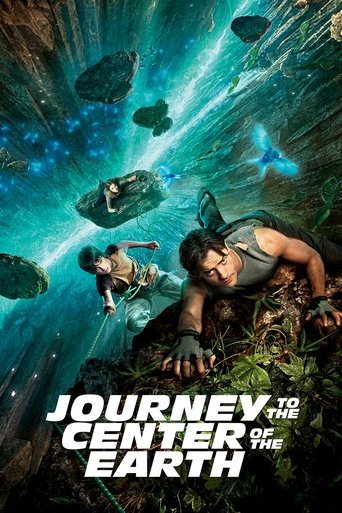 HDJourney to the Center of the Earth2008★ 6.1
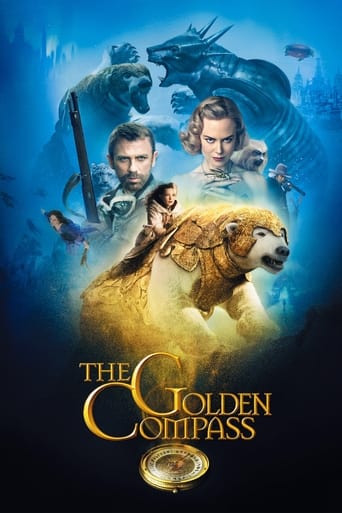 HDThe Golden Compass2007★ 6.1
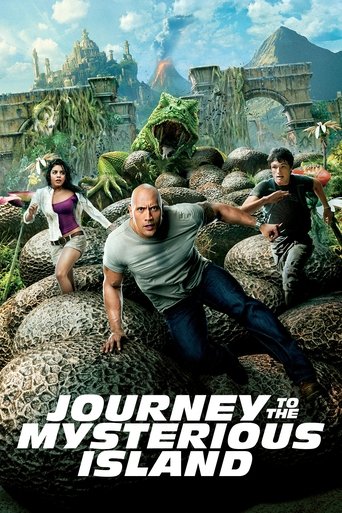 HDJourney 2: The Mysterious Island2012★ 6.2
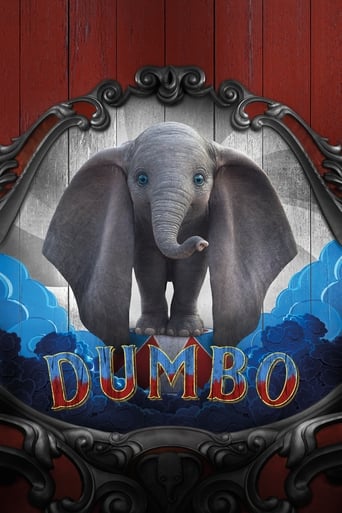 HDDumbo2019★ 6.6
Fantasy
View all (68)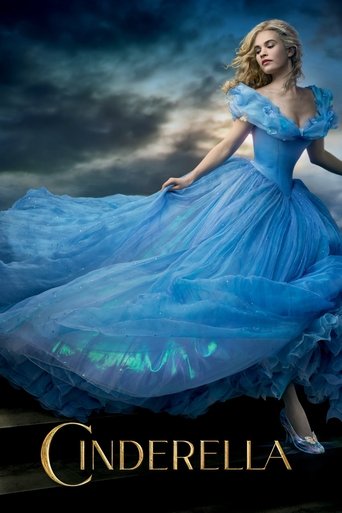 HD
HD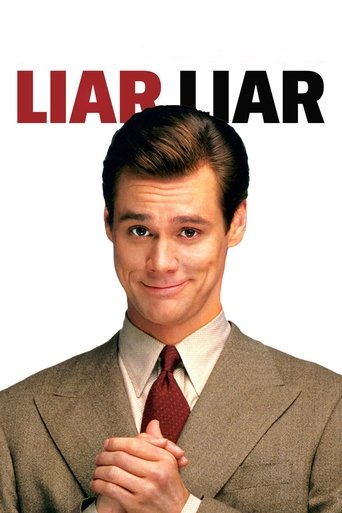 HD
HD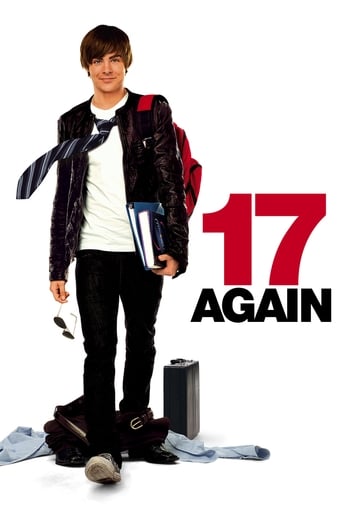 HD
HD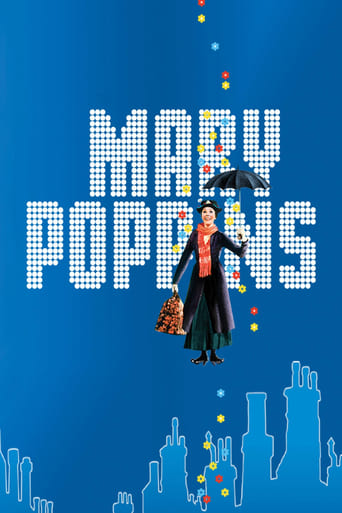 HD
HD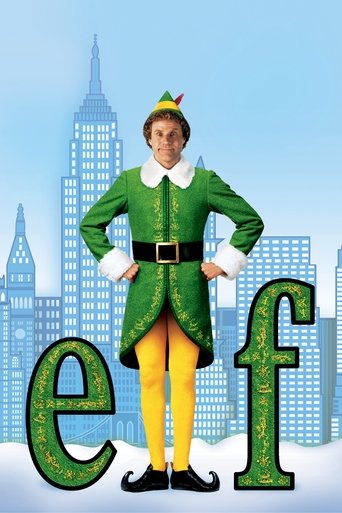 HD
HD HD
HD HD
HDAnimal stories
View all (55) HD
HD HD
HD HD
HD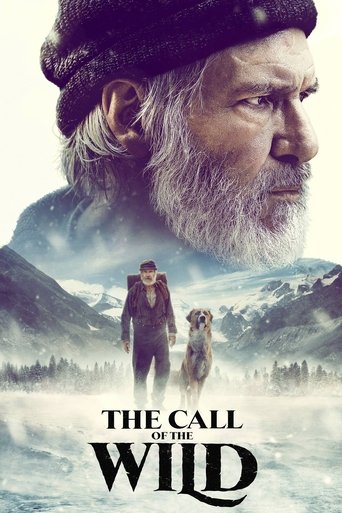 HD
HD HD
HD HD
HD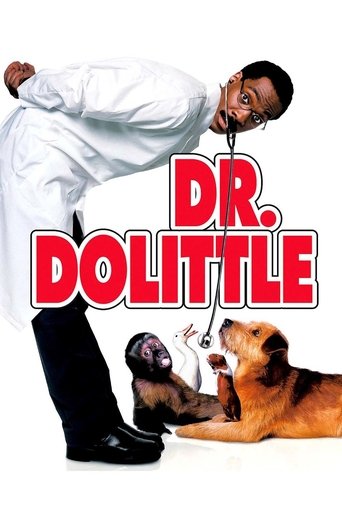 HD
HDScience fiction
View all (21)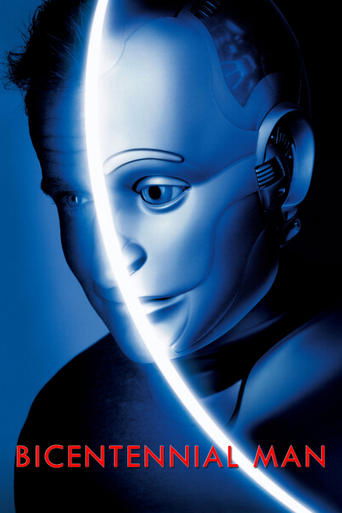 HD
HD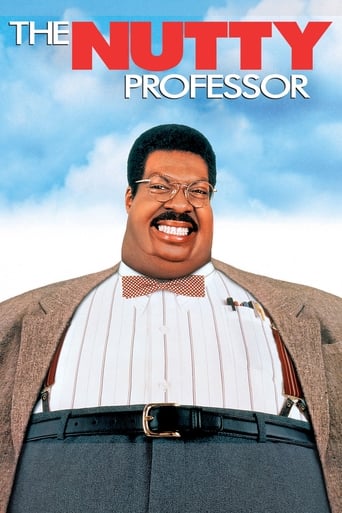 HD
HD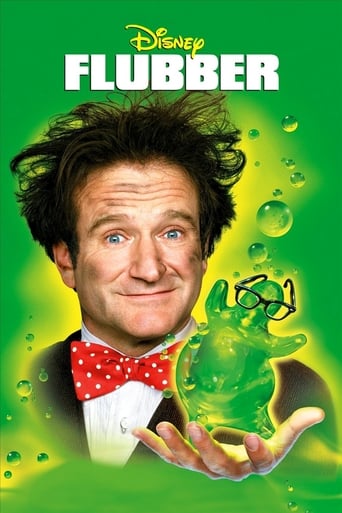 HD
HD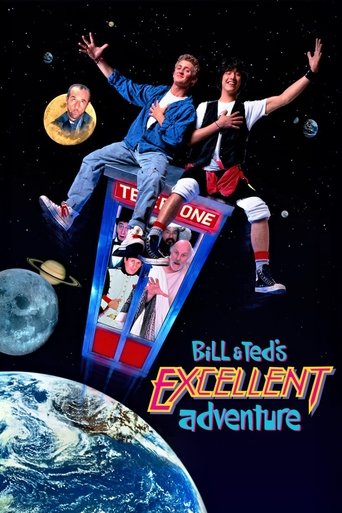 HD
HD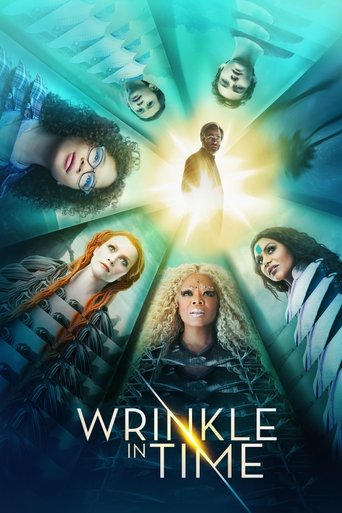 HD
HD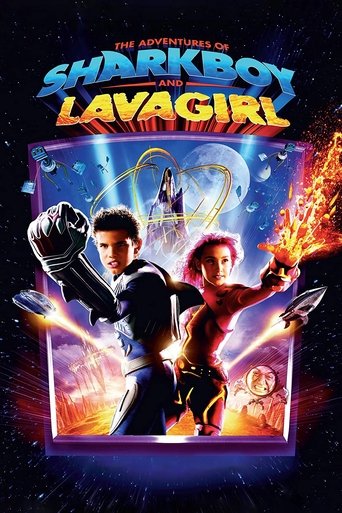 HD
HD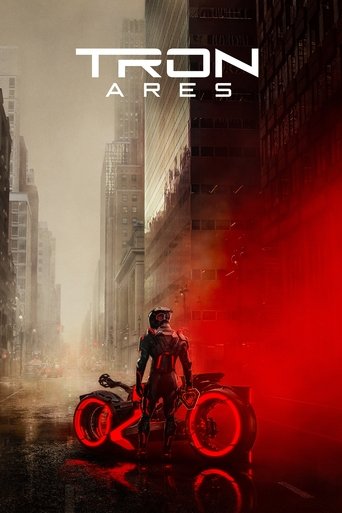 HD
HDChristmas
View all (16)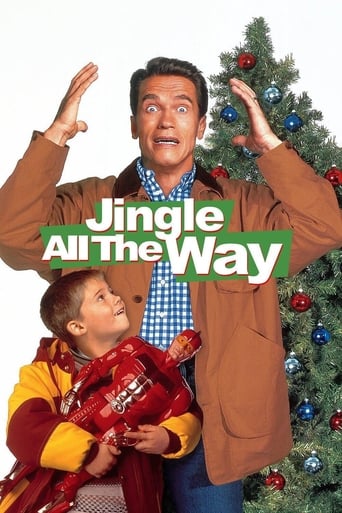 HD
HD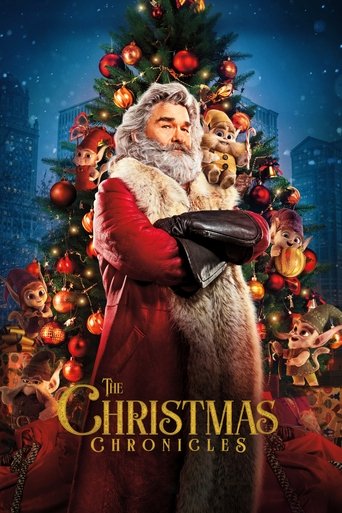 HD
HD HD
HD HD
HD HD
HD HD
HD HD
HDFrom the 2020s
View all (17)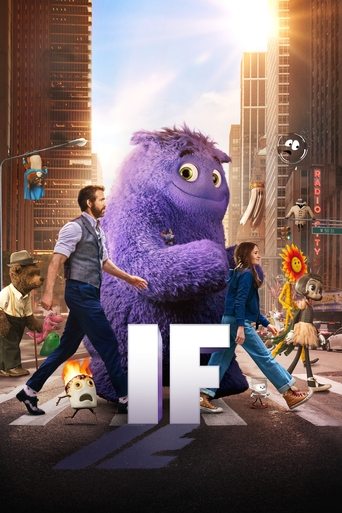 HD
HD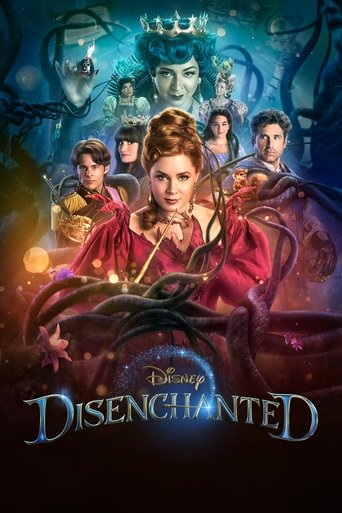 HD
HD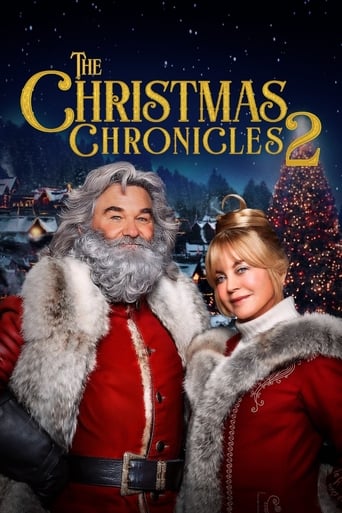 HD
HD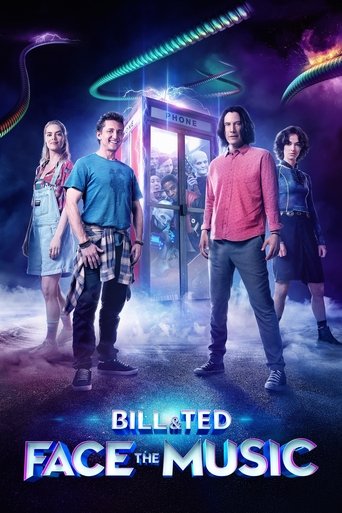 HD
HD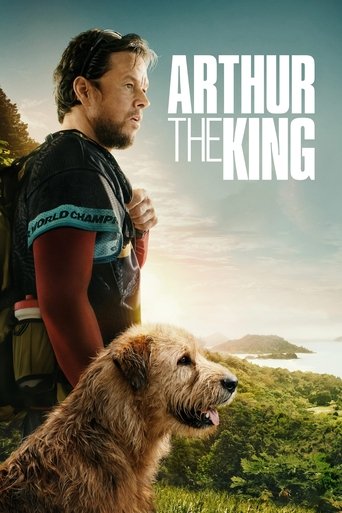 HD
HD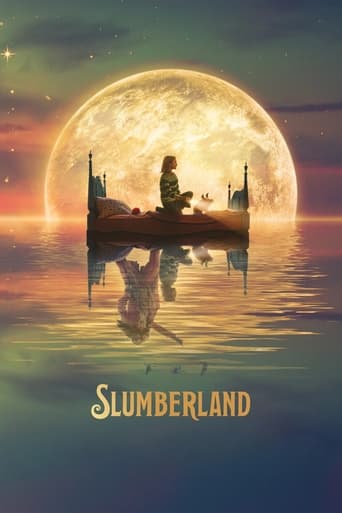 HD
HD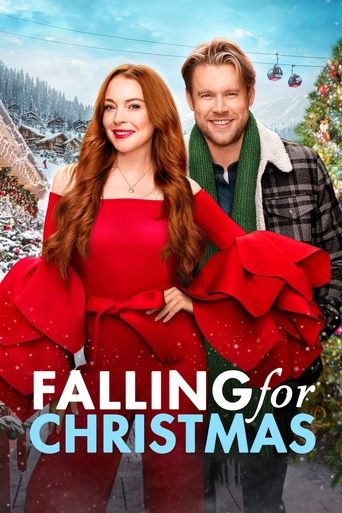 HD
HDThe FlixHQ guide to family adventure and fantasy
FlixHQ: family adventure and fantasy movies from Jurassic Park, Jumanji and Mary Poppins to Paddington in Peru, Wonder and Togo
Every household has a short list of films that made a rainy Saturday feel like an expedition. A gate swings open on an island of dinosaurs. A board game rolls its own dice. A nanny arrives on the east wind with an umbrella and a carpet bag. FlixHQ is a guide built for evenings like those. It gathers 172 family, adventure and fantasy films released between 1964 and 2025 and gives each one a page with its cast, its director, a short summary and a lime-green button that leads to the official services where it can be watched.
The shelves are arranged by the kind of journey on offer. Eighty-two films are adventures and sixty-eight are fantasies. Twenty-one involve science fiction, from time machines to shrinking rays. Fifty-five give a leading part to an animal, forty-five began as books, twenty-seven are set in the school years, nineteen are carried by music and sixteen belong to Christmas. A hundred and twenty-three are comedies at heart and fifty-six are dramas. By period, fifteen films date from before 1990, thirty-three from the 1990s, fifty-four from the 2000s, fifty-three from the 2010s and seventeen from the present decade. Together they run for close to 300 hours.
The Watch now button opens JustWatch for the country you choose and shows the subscription, rental, purchase and free services that carry the film there. FlixHQ itself is a guide: it describes, sorts and points the way. The how to watch page sets out the steps.
What makes a family adventure
The family adventure is one of the oldest promises in cinema: come along, and for two hours the world will be larger than it was this morning. The best examples share a few habits. They begin somewhere ordinary, a suburban street, a school, a London station, and open a door from there. They give children real courage and adults real feelings. They trust the audience with a little peril, because wonder means more when something is at stake, and they bring everyone safely home by the end.
That formula has been refreshed by every generation. The 1960s sang it in Mary Poppins and Chitty Chitty Bang Bang. The 1980s gave it gadgets and a sense of mischief in Time Bandits and Innerspace. The 1990s added digital creatures that finally looked alive, the 2000s turned to the great children's novels, and the last fifteen years have brought both grand live-action fairy tales and smaller true stories about dogs, runners and explorers. FlixHQ puts all of these on the same shelves so that a family can move between eras as easily as between rooms.
The selection was made with a mixed audience in mind. Every film can be watched by parents and children together, and a good share of them are just as rewarding for adults on their own.
Six films to begin with
The home page features six titles. Jurassic Park, from 1993, remains the model of the modern adventure. Steven Spielberg invites two palaeontologists, a mathematician and two children to preview a wildlife park whose attractions died out sixty-five million years ago, and the mixture of awe and suspense has thrilled every audience since. It is the most watched film on FlixHQ and among the five best rated.
Jumanji, from 1995, lets a jungle escape from a board game into a quiet New England town, along with Robin Williams as a man who vanished into the game as a boy. Monkeys raid the kitchen, a stampede crosses the hallway, and the only way out is to keep playing. Mary Poppins, from 1964, is the oldest film in the catalogue and one of the happiest: Julie Andrews won an Academy Award as the nanny who tidies a nursery with a snap of her fingers and leads the Banks children into a chalk drawing.
Paddington in Peru, from 2024, sends the bear from Windsor Gardens back to the country of his birth, where his Aunt Lucy has gone missing from the Home for Retired Bears; the Brown family follow him up the Amazon with a riverboat captain played by Antonio Banderas. Wonder, from 2017, tells of Auggie Pullman's first year at school and of the classmates, sister and parents who orbit him, and it shares the top rating on FlixHQ. Togo, from 2019, completes the six: Willem Dafoe plays the musher who drove his ageing lead dog across the Alaskan ice in 1925 to fetch medicine for the children of Nome.
Adventure
Eighty-two films set out on a journey, and the jungle is their favourite destination. After Jumanji came Jumanji: The Next Level, in which the game has become a video cartridge and its players wake inside the wrong heroes. Jungle Cruise sends a scientist, played by Emily Blunt, up the Amazon in a ramshackle steamer skippered by Dwayne Johnson. Peter Jackson's King Kong sails to Skull Island with a film crew, Dora and the Lost City of Gold turns a cartoon explorer into a resourceful teenager, and George of the Jungle swings through the same canopy for laughs.
Jules Verne supplies two expeditions. In Journey to the Center of the Earth, a geologist played by Brendan Fraser follows the notes in a family copy of the novel through an Icelandic volcano. In Journey 2: The Mysterious Island, his nephew decodes a signal from the Pacific and finds an island where elephants are small and bees are enormous. The Librarian: Quest for the Spear and Inkheart make heroes of people who read a great deal, which is a pleasing idea for a family film.
Cold country brings out the best in the genre. Togo and Eight Below, in which a guide must leave his sled dogs at an Antarctic base and fights to return for them, are both drawn from real events. The Call of the Wild follows Buck from a California porch to the Yukon gold fields with Harrison Ford, and Snow Dogs plays the same landscape for comedy when a Miami dentist inherits a team of huskies. Arthur the King, from 2024, is the true story of an endurance racer, played by Mark Wahlberg, and the stray dog that attached itself to his team for hundreds of miles.
Some adventures are measured in miles on the road. The Secret Life of Walter Mitty chases a missing photograph to Greenland and the Himalayas. Hunt for the Wilderpeople sends a boy and his foster uncle into the New Zealand bush with half the country in pursuit. The World's Fastest Indian follows Burt Munro, played by Anthony Hopkins, from a shed in Invercargill to the salt flats of Utah with a home-built motorcycle, and The Cannonball Run and Rat Race turn the cross-country dash into a carnival. The adventure page maps the shelf.
Fantasy
Sixty-eight films work by magic. The grandest are journeys into invented worlds. The Golden Compass follows Lyra from an Oxford college to the armoured bears of the far north. The Chronicles of Narnia: The Voyage of the Dawn Treader carries two of the Pevensie children and an unwilling cousin through a painting and onto a ship. A Wrinkle in Time folds space to rescue a missing father, Inkheart lets a bookbinder read characters out of their pages, and Return to Oz, a darker and stranger sequel than its famous predecessor, has become a treasured cult film.
The fairy tale has been remade for each generation. Kenneth Branagh's Cinderella is a sincere and sumptuous telling, Aladdin gives the Genie to Will Smith, and The Nutcracker and the Four Realms expands the ballet into an adventure. Disenchanted revisits a storybook princess ten years after her happy ending, and a run of modern Cinderella stories, from A Cinderella Story to Another Cinderella Story and two further sequels, moves the slipper to high school. The King's Daughter places a mermaid at the court of Louis the Fourteenth.
Then there are the films in which one small piece of magic lands in an ordinary life. A fairground machine makes a boy Big. A janitor's whirlpool returns a father to the age of 17 Again. In The Kid, a hard-driving consultant played by Bruce Willis is visited by himself at the age of eight, and in Freakier Friday a mother, a daughter and two more relatives wake up in each other's bodies. Good Fortune, from 2025, sends a well-meaning angel played by Keanu Reeves to improve a struggling man's luck, with results the angel had failed to foresee. The fantasy page sorts these by kind.
Animal stories
Fifty-five films give a leading part to a creature, and dogs head the cast. Hachi: A Dog's Tale retells the story of the Akita who waited at a railway station for his owner each evening for years. A Dog's Purpose follows one devoted soul through several lives and several owners, and A Dog's Way Home tracks a young dog across four hundred miles of Colorado to the family she loves. Homeward Bound: The Incredible Journey sends two dogs and a cat over the Sierra Nevada, voiced with great charm by Michael J. Fox, Sally Field and Don Ameche.
Comedy has its kennel too: the St. Bernard of Beethoven and Beethoven's 2nd, the Great Dane of Marmaduke, the pampered pet of Beverly Hills Chihuahua and the unruly Labrador of Marley & Me. Lady and the Tramp retells a classic romance with real dogs, and Eddie Murphy talks to every species in Doctor Dolittle and Dr. Dolittle 2.
Other animals have made stars of themselves. Babe, the piglet who learns to herd sheep by asking politely, and his city sequel remain marvels of patience and craft. Paddington is the best-loved bear in modern cinema, Stuart Little 2 gives a mouse a roadster and a friend who can fly, and Charlotte's Web lets a spider save a pig with a few well-chosen words. On the larger scale there are the dinosaurs of Jurassic Park, the ape of King Kong, the flying elephant of Dumbo and the friendly green giant of Pete's Dragon. The Horse Whisperer, directed by Robert Redford, and We Bought a Zoo treat the bond between people and animals with a quieter seriousness. The animal stories page lists the cast by species.
Science fiction for all ages
Twenty-one films play with science, and most of them do it with a grin. Time travel is the favourite toy. Back to the Future Part II takes Marty McFly thirty years forward to a town of hoverboards and then back into the night of the first film. Bill & Ted's Excellent Adventure borrows a telephone booth to collect great figures of history for a school report, and Bill & Ted Face the Music catches up with the pair in middle age. In Forever Young, a test pilot frozen in 1939 wakes half a century later in a boy's hiding place.
Changes of size have a little genre of their own. Innerspace shrinks a navy pilot to the size of a cell and injects him into a nervous shop clerk. The absent-minded inventor played by Rick Moranis enlarges his toddler in Honey, I Blew Up the Kid and reduces the grown-ups in Honey, We Shrunk Ourselves. Flubber invents a rubber with a mind of its own, and The Nutty Professor a formula that changes more than its maker intended.
The shelf has its serious side. 2001: A Space Odyssey is a film for older children and adults to watch slowly and talk about afterwards, and it remains astonishing to look at. Bicentennial Man follows a household robot through two centuries of learning to feel. Star Trek Beyond and Lost in Space offer starships and family crews, TRON: Ares brings a program out of the computer and into the city, and The Adventures of Sharkboy and Lavagirl was dreamed up by a director's young son. The science fiction page groups them by idea.
From the bookshelf
Forty-five films began as books, and a family could build a year of reading from them. Britain's nursery classics are well represented: P. L. Travers's Mary Poppins, Michael Bond's Paddington, Roald Dahl's The BFG, Frances Hodgson Burnett's The Secret Garden in the beautiful 1993 version by Agnieszka Holland, and Ian Fleming's Chitty Chitty Bang Bang, the flying car he invented for his own son. Christopher Robin and Goodbye Christopher Robin look at A. A. Milne's world from two angles, one playful and one biographical.
American children's literature supplies Charlotte's Web and Stuart Little 2 from E. B. White, Ramona and Beezus from Beverly Cleary, Where the Wild Things Are from Maurice Sendak, Jumanji from Chris Van Allsburg and the three Diary of a Wimpy Kid films from Jeff Kinney. Wonder comes from the novel by R. J. Palacio, A Wrinkle in Time from Madeleine L'Engle, and A Boy Called Christmas from Matt Haig.
Adventure novels round out the shelf: Michael Crichton's Jurassic Park, Jack London's The Call of the Wild, Rudyard Kipling's The Jungle Book, Philip Pullman's The Golden Compass, C. S. Lewis's Narnia and the two Verne journeys. The bookshelf page pairs each film with its author.
Family comedy
A hundred and twenty-three of the films are comedies, and several performers have made the form their own. Robin Williams appears six times, in Jumanji, Flubber, Jack, Bicentennial Man, RV and Night at the Museum: Secret of the Tomb; his gift for speaking to children as equals shines through all of them. Eddie Murphy is the doctor who hears animals, the founder of Daddy Day Care and the many faces of The Nutty Professor. Tim Allen wears the red suit in three Santa Clause films and tries to skip the season in Christmas with the Kranks.
Large and unruly households are a comic staple. Cheaper by the Dozen and its sequel give Steve Martin twelve children, Uncle Buck puts John Candy in charge of two small cousins and a sceptical teenager, and The Game Plan introduces a football star to the daughter he had yet to meet. Home Alone 2: Lost in New York, The Little Rascals and Ramona and Beezus leave the children to manage things themselves.
The caper is the third branch. In MouseHunt, two brothers inherit a valuable old house and one very determined mouse. Pee-wee's Big Adventure, the first feature directed by Tim Burton, crosses America in search of a stolen bicycle. Mr. Bean's Holiday and Bean let Rowan Atkinson create havoc with barely a word, Herbie Fully Loaded returns the Volkswagen with a will of its own to the racetrack, and The Muppet Movie of 1979 tells how a frog with a banjo set out for Hollywood. The family comedy page sorts the shelf.
School days and summer
Twenty-seven films are set in the classroom years. Middle school is the territory of Wonder, of the Wimpy Kid films and of The Sandlot, which remembers a summer of neighbourhood baseball in 1962 with such affection that it has become a rite of passage in its own right. High school belongs to the three High School Musical films, Teen Wolf, Radio Rebel, Ice Princess, in which a physics student applies her equations to figure skating, and First Daughter.
Summer is a season of its own. Camp Rock and Teen Beach Movie are sunny musicals from the television era, The Sisterhood of the Traveling Pants 2 follows four friends through their first year apart, The Lizzie McGuire Movie takes a class trip to Rome, and Monte Carlo mistakes a Texan graduate for an heiress. The Perfect Man, What a Girl Wants and Princess Protection Program round out a shelf that younger teenagers return to again and again. The school days page lists them by age.
True adventures
Some of the most stirring films here really happened. Togo and Eight Below have been mentioned, as have Arthur the King and The World's Fastest Indian. Cool Runnings recounts how four Jamaicans reached the Olympic bobsleigh track in 1988, and Eddie the Eagle how a plasterer from Cheltenham became Britain's first Olympic ski jumper at the same Games. McFarland, USA stars Kevin Costner as a coach who builds a champion cross-country team in a California farming town, and Home Team follows a professional football coach back to his son's youth side.
We Bought a Zoo is based on a father's decision to move his family into a struggling wildlife park, and Goodbye Christopher Robin on the family behind Winnie-the-Pooh. These films share a useful lesson for young viewers: adventures are had by ordinary people who keep going.
Christmas
Sixteen films are set in December. Elf and the three Santa Clause comedies lead the list, joined by the 1994 version of Miracle on 34th Street, with Richard Attenborough as a department-store Santa who may be the real one. The Christmas Chronicles and its sequel give the sleigh to Kurt Russell, Noelle imagines Santa's daughter, played by Anna Kendrick, taking over the family business, and A Boy Called Christmas tells an origin story in the snows of Finland.
At home, Deck the Halls sets two neighbours competing over Christmas lights, Love the Coopers gathers four generations for dinner, Jingle All the Way chases the season's must-have toy, and Home Alone 2: Lost in New York spends the holiday at the Plaza. The Nutcracker and the Four Realms and Falling for Christmas add ballet and romance. The Christmas page has the full list.
Songs and musicals
Nineteen films sing. The classics are Mary Poppins, with its Sherman brothers score, Chitty Chitty Bang Bang, written by the same pair, and The Muppet Movie, whose opening song by a frog on a log was nominated for an Academy Award. Mary Poppins Returns brought the nanny back in 2018 with Emily Blunt, and The Muppets returned the troupe to the stage in 2011.
The school musical is the modern branch: three High School Musical films directed by Kenny Ortega, Camp Rock, Teen Beach Movie and the musical Cinderella stories. August Rush follows a boy who hears music in everything, and Cats films Andrew Lloyd Webber's stage show with a starry cast. The music page gives the programme.
Before 1990
Fifteen films date from the first twenty-five years of the catalogue. The two great musicals of the 1960s, Mary Poppins and Chitty Chitty Bang Bang, share a leading man in Dick Van Dyke and a delight in practical magic: a carousel horse that leaves its pole, a car that sprouts wings over the Channel. 2001: A Space Odyssey, from the same decade, set a standard for screen space travel that later films still measure themselves against. The Muppet Movie closed the 1970s with a road trip full of guest stars.
The 1980s were the decade of the bright idea. Terry Gilliam's Time Bandits drops a boy through holes in history with a gang of small and greedy travellers. Splash lets a mermaid walk through Manhattan, Big grants a wish at a fairground, Innerspace launches a submarine through a bloodstream, and Teen Wolf makes a basketball star of a boy with an unusual family trait. Return to Oz, Pee-wee's Big Adventure, Uncle Buck, The Cannonball Run, Back to the Future Part II and Bill & Ted's Excellent Adventure complete a group that parents of today grew up on. The page on films before 1990 lists them by date.
The 1990s
Thirty-three films come from the 1990s, when the family film became the centre of the cinema calendar. Computer-generated creatures arrived with Jurassic Park and Jumanji, and puppetry reached a peak in Babe, where real animals and mechanical doubles are blended so well that the seams stay hidden. Chris Columbus directed Home Alone 2: Lost in New York and Bicentennial Man, Brian Levant made Beethoven, The Flintstones and Jingle All the Way, and Jon Turteltaub contributed Cool Runnings and Phenomenon, in which a small-town mechanic played by John Travolta wakes up one day with an extraordinary mind.
The decade had a thoughtful side as well. The Secret Garden and Miracle on 34th Street were handsome new versions of old favourites. The Sandlot and The Little Rascals celebrated children left to their own devices, Homeward Bound: The Incredible Journey became a classic of the pet film, and Lost in Space and George of the Jungle turned television memories into big-screen entertainment. The 1990s page gathers them.
From 2000 to today
The 2000s contribute fifty-four films, many of them from the golden years of the literary adaptation: The Golden Compass, Inkheart, Charlotte's Web, Where the Wild Things Are and the first Narnia voyages. The decade also produced Elf, Secondhand Lions, in which a shy boy spends a summer with two great-uncles whose past may include lions, sheikhs and buried treasure, Eight Below, Hachi: A Dog's Tale and the first Diary of a Wimpy Kid.
The 2010s add fifty-three, led by the live-action fairy tales, the two Paddington films of that decade's making, Wonder, The BFG, Pete's Dragon, Hugo, Martin Scorsese's tribute to the first magician of cinema, and The Peanut Butter Falcon. The seventeen films of the 2020s show where the genre is heading: sequels with heart such as Paddington in Peru and Freakier Friday, true stories such as Arthur the King, and fantasies made for streaming such as Slumberland, where a girl searches her dreams with an outlaw companion played by Jason Momoa, and A Boy Called Christmas.
How the wonders are made
Part of the fun of these films is knowing how the tricks were done. The dinosaurs of Jurassic Park are a blend of full-size mechanical animals and early computer animation, which is why they still convince. The flying car of Chitty Chitty Bang Bang was a real, road-legal vehicle. The bear in Paddington was animated from the movements of a performer on set and voiced by Ben Whishaw. For Babe, dozens of piglets were trained in rotation, since each one outgrew the role within weeks.
Other films chose to do things for real. The sled dogs of Togo and Eight Below ran across actual snowfields. Hugo rebuilt a Paris station of the 1930s on a London sound stage, and Where the Wild Things Are put actors inside enormous creature suits on an Australian shoreline. The Jungle Book of 2016 went the other way, placing one young actor in a forest created entirely by computer. Knowing a little of this makes a second viewing even better, and the cast and crew listed on each FlixHQ page are a good place to start.
Choosing by age
A film that delights a ten-year-old may be too much for a five-year-old, so a few suggestions may help. For the youngest viewers, try Paddington, Babe, Stuart Little 2, Charlotte's Web, Mary Poppins and The Muppets, all gentle in tone and bright in colour. From about seven, Jumanji, Night at the Museum: Secret of the Tomb, Honey, I Blew Up the Kid, Dora and the Lost City of Gold and The Santa Clause add a little excitement.
From ten or so, the larger adventures open up: Jurassic Park, King Kong, The Golden Compass, Journey to the Center of the Earth and Back to the Future Part II, along with the true stories of Togo and Cool Runnings. Teenagers have Wonder, The Sandlot, Hunt for the Wilderpeople, McFarland, USA and the school shelf, and families with older children can share 2001: A Space Odyssey, Hugo and The World's Fastest Indian. Each film page carries the summary and running time needed to judge for yourself.
Stars to follow
Robin Williams leads the cast list with six films, followed by Dwayne Johnson and Eddie Murphy with five each. Johnson's run takes in Jumanji: The Next Level, Jungle Cruise, Journey 2: The Mysterious Island, The Game Plan and Tooth Fairy, a body of family work few action stars can match. Sam Neill, Michael J. Fox, Owen Wilson, Bonnie Hunt, Tim Allen, Hilary Duff, Selena Gomez, Zac Efron and Vanessa Hudgens appear four times each.
Brendan Fraser was the face of the adventure film at the turn of the century, and he is here in George of the Jungle, Journey to the Center of the Earth and Inkheart. Rick Moranis is the inventor of the shrinking comedies, Keanu Reeves spans Bill & Ted's Excellent Adventure and Good Fortune thirty-six years apart, and Lindsay Lohan returns in Freakier Friday to a role she first played as a teenager. Emily Blunt, Ben Whishaw, Jack Black and Bill Murray each contribute three films. The stars page continues the list.
Behind the camera
A hundred and forty-nine directors made the 172 films. Brian Levant has four, and Chris Columbus, Lasse Hallström, Kenny Ortega, Jon Turteltaub and Michael Lembeck three each. Steven Spielberg is represented by Jurassic Park and The BFG, Jon Favreau by Elf and The Jungle Book, Tim Burton by Dumbo and his first feature, and Robert Zemeckis by Back to the Future Part II.
The list of single credits is a distinguished one: Stanley Kubrick, Robert Stevenson, Ken Hughes, Terry Gilliam, Joe Dante, Ron Howard, Penny Marshall, George Miller, Agnieszka Holland, Peter Jackson, Martin Scorsese, Spike Jonze, Kenneth Branagh, Paul King, Taika Waititi, Ava DuVernay and Stephen Chbosky. Family films attract serious filmmakers because the audience is the most honest there is.
A map of the adventures
Followed on a globe, the films cover a remarkable amount of ground. London is home to the Banks family, the Browns and Christopher Robin. New York belongs to Elf, Stuart Little 2, Big and Home Alone 2: Lost in New York. The American small town, with its porches and ball fields, is the setting of The Sandlot, Jumanji, Phenomenon and Secondhand Lions, and California's farm country of McFarland, USA.
Farther out, Jurassic Park was filmed on the Hawaiian island of Kauai, King Kong and Hunt for the Wilderpeople in New Zealand, and Jungle Cruise and Paddington in Peru head for the Amazon. Alaska and the Yukon host Togo and The Call of the Wild, Antarctica Eight Below, Iceland the opening of the Verne journey, Yorkshire the walled grounds of The Secret Garden, Rome The Lizzie McGuire Movie and Paris the railway station of Hugo. A family that works through the catalogue will have visited every continent from the sofa.
Guides, grandparents and unlikely teachers
Many of these stories turn on an older figure who shows a child the way, often while learning something in return. Mary Poppins is the pattern for them all: firm, kind, and gone once her work is done. The two great-uncles of Secondhand Lions, played by Michael Caine and Robert Duvall, teach a timid boy to believe in a good story. The gruff foster uncle of Hunt for the Wilderpeople and the coach of Cool Runnings discover that looking after someone else is the making of them.
Sometimes the teacher is a surprise. A robot learns from the family it serves in Bicentennial Man, an eight-year-old sets his adult self straight in The Kid, and the friendly giant of The BFG is as much in need of a friend as the girl he carries off. In Wonder, it is Auggie who teaches a whole school, simply by turning up each morning. These are the relationships that stay with viewers after the dinosaurs and flying cars have faded.
Sequels worth the journey
Family audiences like to return to places they love, and several sequels on FlixHQ reward the trip. Back to the Future Part II is as clever as the original. Babe: Pig in the City is bolder and stranger than the first film and has grown in reputation every year. Paddington in Peru gives the bear a proper adventure serial, and Mary Poppins Returns honours its predecessor down to a sequence that mixes actors with hand-drawn animation.
Comedy sequels are here as well: Cheaper by the Dozen 2, Dr. Dolittle 2, Beethoven's 2nd, the second and third Santa Clause films, two more Wimpy Kid diaries, and Bill & Ted Face the Music, which reunited its heroes after twenty-nine years. Freakier Friday and Disenchanted pick up beloved characters a generation later, with the original casts. Each film page names its relatives, so the first chapter is always easy to find.
A film for every season
The catalogue follows the school year. Autumn suits Wonder, Diary of a Wimpy Kid and the High School Musical films, with Hugo and The Secret Garden for darker evenings. December has its own shelf, led by Elf and The Santa Clause. The snowbound stories, Togo, Eight Below, Snow Dogs and Ice Princess, belong to January and February.
Spring is the time for gardens and fresh starts: Paddington, Charlotte's Web, Babe and We Bought a Zoo. And summer brings the largest choice of all, from the ball games of The Sandlot and the camp songs of Camp Rock to the long road of RV, the beach of Teen Beach Movie and the jungle rivers of Jungle Cruise. Whatever the weather, there is an expedition ready to leave.
A short glossary
A few terms recur in this guide. A live-action film uses real actors and settings, sometimes with computer-made creatures added. A practical effect is one built and filmed for real, such as a mechanical dinosaur. An adaptation is a film based on a book. A sequel continues a story, and a remake tells it again with a new cast. A family film, as FlixHQ uses the words, is simply one that every generation in a household can enjoy at the same time.
Young heroes and heroines
The children in these films are rarely passengers. Lyra of The Golden Compass talks her way past kings and armoured bears. Sophie holds her own in Giant Country in The BFG, Mary Lennox coaxes a garden and a household back to life in The Secret Garden, and Meg Murry crosses the universe for her father in A Wrinkle in Time. Dora, Ramona, Lizzie and the girls of the travelling pants show the same nerve closer to home.
The boys are just as resourceful. Kevin McCallister runs a hotel suite on his own, Hugo Cabret keeps a great station's clocks wound, Ricky Baker survives the bush in Hunt for the Wilderpeople, and the runners of McFarland, USA train at dawn before a day's work in the fields. Greg Heffley of the Wimpy Kid films is a hero of a different sort, forever scheming and forever found out. Young viewers recognise themselves in all of them, which is the secret of the genre's long life.
It also explains why these films are worth watching as a family: the adults see how much the children on screen are capable of, and the children see adults who listen, change their minds and join in.
Double bills for a weekend
Some films are best watched in pairs. Mary Poppins and Mary Poppins Returns visit Cherry Tree Lane fifty-four years apart. Jumanji and Jumanji: The Next Level show a board game becoming a video game. Paddington and Paddington in Peru take the bear from his arrival in London to a homecoming in the rainforest, and Babe with Babe: Pig in the City moves from farm to metropolis.
Other pairings are thematic. Togo and The Call of the Wild are two tales of dogs and snow, one true and one from a novel. Cool Runnings and Eddie the Eagle cover the same Winter Games from two unlikely teams. Christopher Robin and Goodbye Christopher Robin look at the same childhood through fiction and fact, and Big followed by The Kid shows a boy meeting adulthood and an adult meeting his boyhood. The shortcut chips on the home page make it easy to assemble a pairing of your own.
The top rated shelf
Thirty-two films hold a place on the top rated shelf, which gathers titles with an average of 7.2 or above from at least five hundred viewers. Togo and Wonder share first place, followed closely by 2001: A Space Odyssey, Hachi: A Dog's Tale and Jurassic Park. Then come Back to the Future Part II, The World's Fastest Indian, Hunt for the Wilderpeople, A Dog's Purpose and The Sandlot.
The middle of the shelf belongs to Mary Poppins, Arthur the King, The Call of the Wild, McFarland, USA, August Rush, The Secret Garden, A Dog's Way Home and The Peanut Butter Falcon, with Christopher Robin, Bicentennial Man, Jungle Cruise, Slumberland, Jumanji, Secondhand Lions and The Muppet Movie among those that follow. Stories about dogs and true stories do remarkably well, a sign of what audiences value most in a family film. The first row on the home page is drawn from this shelf.
The look of FlixHQ
FlixHQ is midnight blue with a single lime green. A slate bar across the top holds the name, with the last two letters in lime, a row of links and a lime My List button. The home page opens on a rounded panel with the words Find a family film, a large white search field with a lime button, and a row of seven chips that jump straight to the main shelves. Below it the poster grids follow, seven across on a wide screen, under headings with a lime underline.
Each poster carries a small lime tag and, beneath it, the title, the year and the rating. On a telephone the links fold into a menu behind a three-line button and the posters stand two abreast. Film pages place the poster beside the facts, with the Watch now button and the country selector directly under the title, followed by the cast with photographs, the director and related films from the same shelves.
Finding a film
There are four ways to reach a title. The search field answers as you type and accepts a title, a name or a word such as dinosaur, dog or wizard. The links in the slate bar lead to Movies, Adventure, Fantasy, Animals, Sci-fi, Top rated and the A to Z list. The chips on the home page open seven shelves with one tap. And the A to Z page sets out all 172 films in alphabetical order. The finding titles page describes each route.
The seventeen shelves overlap on purpose. Paddington in Peru stands under Adventure, Comedy, Animal stories and From the bookshelf; Elf under Fantasy, Comedy and Christmas. A family that starts from a favourite animal, a decade or a kind of magic will reach a good choice within a few taps.
My List and Watch now
Every film page has an Add to My List button. Pressing it places the film in a personal shortlist, which opens from the lime button in the slate bar. The shortlist is kept in your browser on your own device, so it is ready each time you return on that device, and each saved film has a Remove button beside it. The list page can also save the shortlist as a file, a handy way to move it to another computer or to let each member of the family add a pick for the month. The My List page gives the details.
When a film is chosen, the Watch now button does the rest. Select your country from the fifteen offered and press the button. JustWatch opens on the page for that film and shows which subscription services include it, where it can be rented or bought, and any free services with advertising that carry it. Family films move between services often, which is why FlixHQ points to a source that is updated every day.
Where the information comes from
The 172 films were chosen by hand, and each summary was read before a title was admitted. Posters, cast lists, running times and summaries come from TMDB, the community film database, and the ratings shown under the posters are TMDB averages; every film in the catalogue has been rated by several hundred viewers at least. The guide you are reading and the help pages were written for FlixHQ by its own editorial team.
A plan for fourteen evenings
For a newcomer, here is one way to spend two weeks. Open with Jumanji, Paddington and Jurassic Park. Sing along with Mary Poppins, then head north with Togo. Give an evening to Babe and another to The Sandlot.
In the second week, travel through time with Back to the Future Part II, through a painting with the Narnia voyage and through the bush with Hunt for the Wilderpeople. Keep Wonder for a night when everyone is at home, add Hugo for the older children, and finish with Paddington in Peru. By then each member of the family will have a favourite shelf, and the shortlist will fill itself.
Questions and answers
The questions below are those most often asked about FlixHQ, with short answers. Fuller help is on the help pages named throughout this guide, including the how to watch page.
Questions
What is FlixHQ?
FlixHQ is a guide to 172 family, adventure and fantasy films made between 1964 and 2025, each with its cast, its director and a Watch now button to official services.
Which film should I watch first?
Start with Jumanji or Jurassic Park for adventure, Paddington for younger children and Mary Poppins for a musical evening.
Is the catalogue suitable for families?
Yes. Every summary was read by hand, and the selection is built for parents and children to watch together.
Are there films about animals?
Yes. Fifty-five films stand on the Animal stories shelf, from Babe and Paddington to Togo and Hachi.
How old are the films?
Fifteen date from 1964 to 1989, thirty-three from the 1990s, fifty-four from the 2000s, fifty-three from the 2010s and seventeen from the 2020s.
Which actors appear most often?
Robin Williams leads with six films, followed by Dwayne Johnson and Eddie Murphy with five each.
How does My List work?
Press Add to My List on a film page. The shortlist lives in your browser, and the list page can save a copy as a file.
Does FlixHQ host films?
FlixHQ is a guide only. Every Watch now button opens JustWatch, which lists the official streaming, rental and purchase services for your country.
